


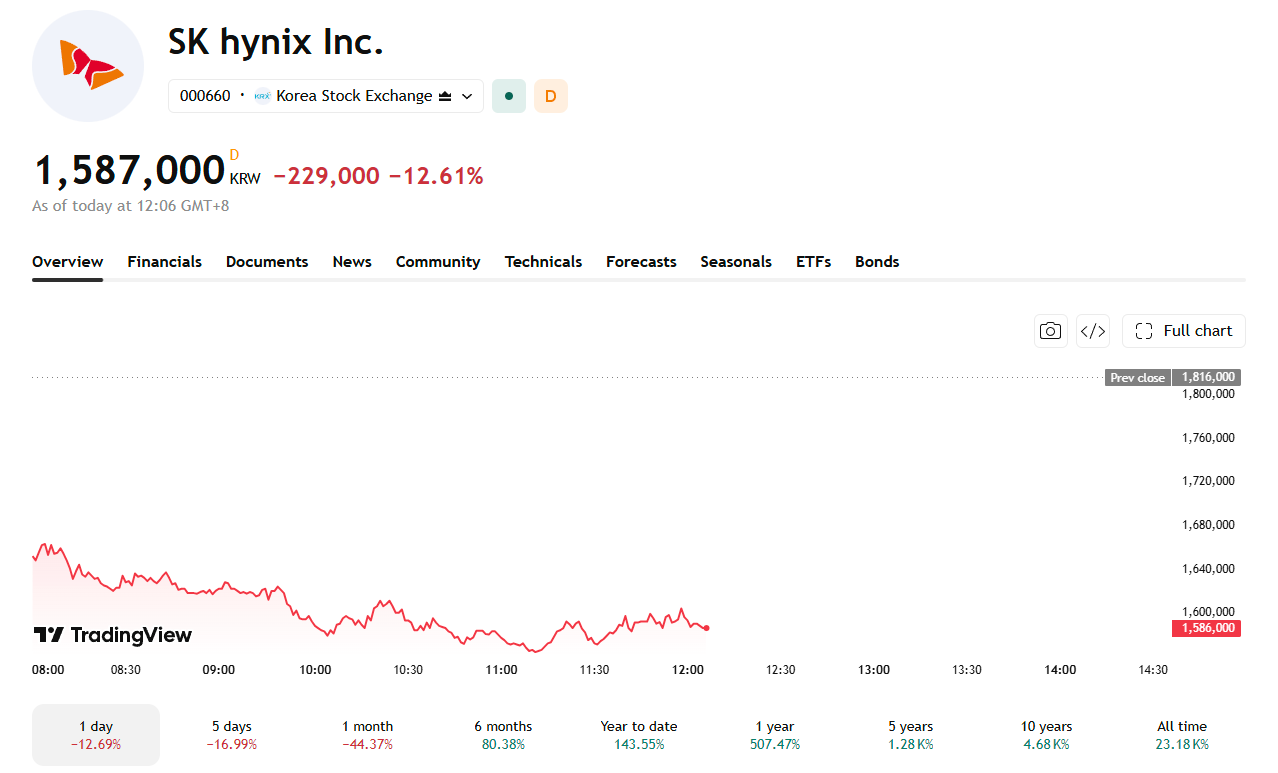
SK Hynix fell near 13% on Tuesday, July 28, in early trading. Samsung Electronics also dropped over 12% as the sell-off swept across Asian markets.
The sell-off erased billions in market value across Korea, Japan, and Taiwan in a single session. It extended a broader pullback in AI-linked chipmakers that began after Wall Street’s own chip stocks weakened.
U.S. chip stocks weakened again overnight, adding losses at AMD, Teradyne, and Micron. That weakness followed a a Wall Street Journal story on Nvidia’s financing plans.
Nvidia is reportedly negotiating a $250 billion guarantee to help OpenAI lease a 10-gigawatt data center campus in Ohio. OpenAI lacks an investment-grade credit rating. The project could cost more than $500 billion in total.
Nvidia is also discussing financing for OpenAI’s chip purchases, worth up to $350 billion more. Meanwhile, investors have questioned whether Nvidia’s financial backstop role signals fragility in AI-linked demand, not strength.
Chinese memory maker CXMT added to the pressure. Its shares rose as much as 500% from their IPO price during Monday’s Shanghai trading debut. That rally valued CXMT near $515 billion.
Separately, a state-backed Chinese firm has begun mass-producing homegrown deep ultraviolet lithography machines for SMIC, Hua Hong, and CXMT. The move reduces Beijing’s reliance on Dutch equipment maker ASML for advanced chipmaking tools.
Analysts at Seoul Economic Daily estimate the high-bandwidth memory gap between CXMT and Korean leaders has narrowed to three years. That gap exceeded five years in earlier estimates. Therefore, the narrowing threatens the AI chip deals SK Hynix and Samsung have signed with U.S. hyperscalers.
Owen Lamont, senior vice president at Acadian Asset Management, said the uncertainty runs deeper than any single headline.
“Right now we’re facing an incredible uncertainty. No one has any idea how this AI process is going to affect our economy, and so I think it’s going to be rocky no matter what.”
Owen Lamont, CNBC
Lamont added that leveraged exchange-traded products may be magnifying the swings. He named Korea, Hong Kong, and the United States as key markets for this activity.
However, not every analyst is as bearish. Sundeep Gantori, chief investment officer for equities at Standard Chartered, argued the long-term opportunity remains intact for memory makers. He pointed to broker forecasts of a 2027 price peak.
Investors now turn to SK Hynix’s quarterly earnings later this week. The results could show whether AI-linked demand still justifies the volatility.
The post AI Memory Stocks on Rocky Ground: 3 Reasons SK Hynix Fell 13% appeared first on BeInCrypto.






Today, the FSB’s Secretary General delivered a speech at the ACGeoEcon conference, focusing on the need for international cooperation amid mounting pressures on multilateral institutions.
UMA is making its loudest move in weeks, with a striking price surge of 13.94% in just one hour. The current price sits at $0.425,
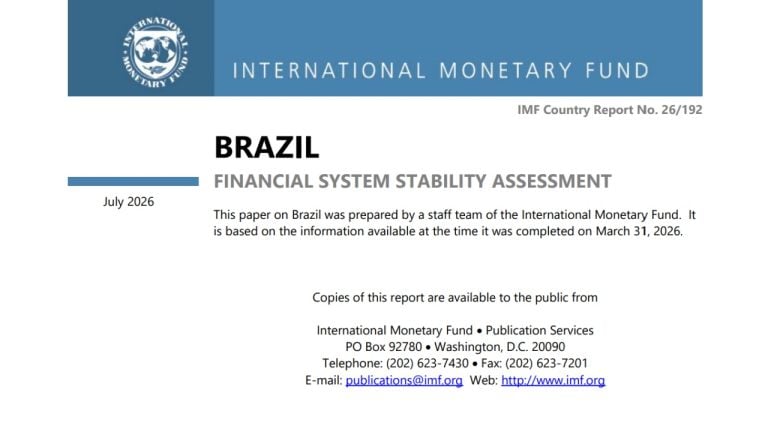
In its most recent Financial System Stability Assessment report, the IMF acknowledged the massive scale of the Brazilian cryptocurrency market, with cross-border crypto flows surpassing
OJK Indonesia has announced a significant initiative aimed at promoting the tokenization of Real World Assets (RWA) to enhance the financial landscape for Usaha Mikro,