
Cardano founder Charles Hoskinson has published a free tool that removes Anthropic’s watermarks from Claude output. He named it Anthropies, a blend of Anthropic and herpes.
The project appeared on GitHub on Sunday, five days after Anthropic switched on invisible marking across every Claude product. Hoskinson shipped it under an Apache 2.0 license.
Anthropic now marks Claude text at the model level. The rollout answers the European Union AI Act transparency code, which took effect on Aug. 2.
The mark is not a hidden character string. Instead, a secret key steers tournament sampling, a process that breaks ties between words fitting equally well.
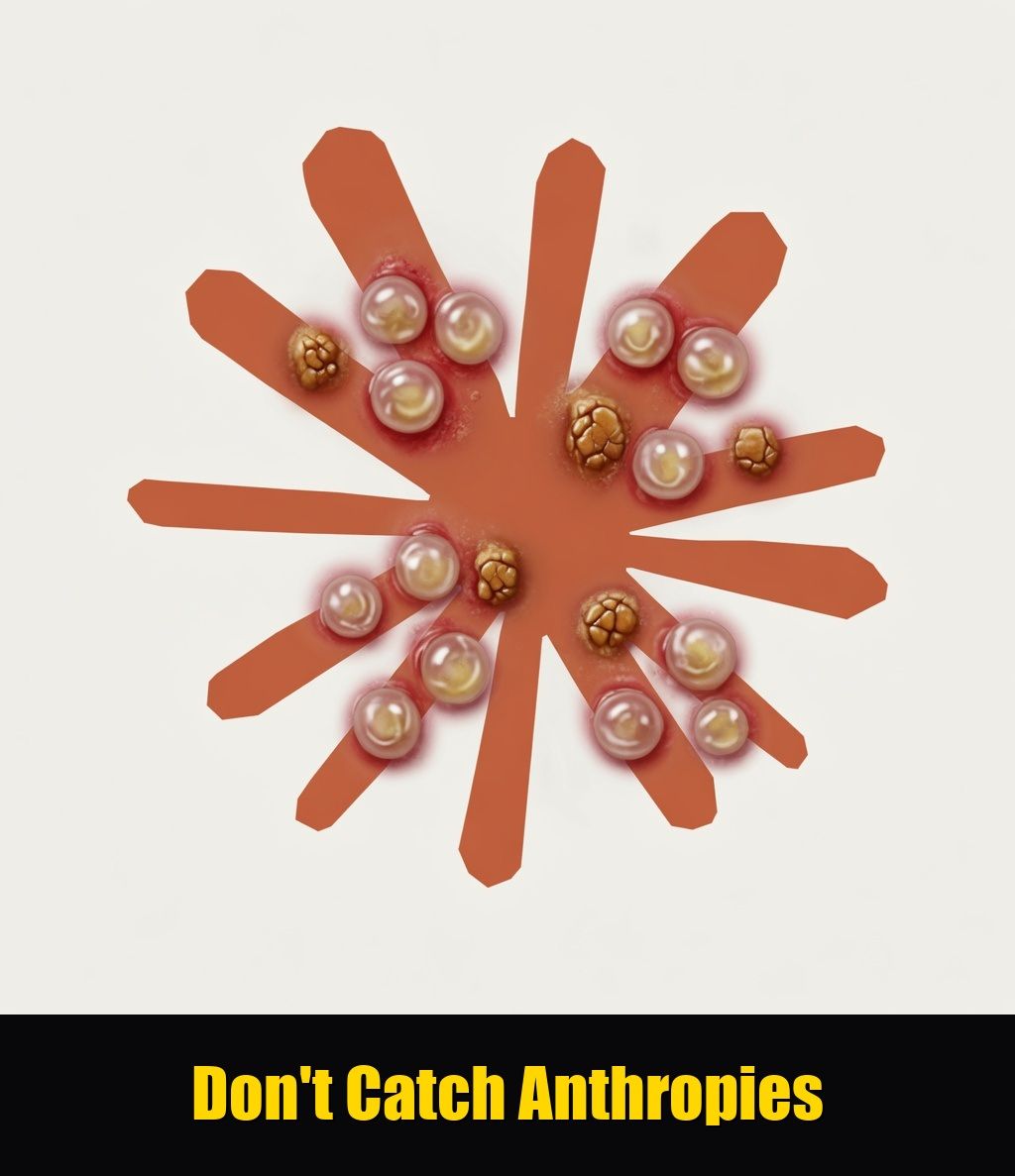
Hoskinson’s repository splits the problem into three layers. The “Co-Authored-By” git trailer strips out cleanly. C2PA credentials on images disappear after a re-encode.
Prose is the hard layer. The tool therefore routes text through a model other than Claude, a step the repository calls a non-origin rewrite.
That design carries a blunt limitation. Running the rewrite inside Claude or Gemini would stamp the mark straight back on, so the skill refuses.
The repository ships three modes. Clean strips trailers deterministically, humanize rewrites prose elsewhere, and orchestrate blocks the job when the host model is Claude.
Code barely carries a signal at all. Syntax leaves almost no room for substitution, so the watermark has nowhere to sit.
The Apache 2.0 license matters here. It is a permissive open-source term that lets anyone copy, modify, sell, or bundle the code, provided they keep the original notices. It also grants a patent license, so Anthropic could not block forks on patent grounds.
“The mark is the wording. There is no separate payload to delete. Removing it means changing which words are there.”
Anthropies README
Hoskinson framed the release on X as a warning rather than a utility. He said the watermark and the Claude co-author line could cause issues down the road.
Roughly half the repository is not code. Hoskinson attacks the assignment clause that assigns ownership of output to users, which applies “subject to your compliance with our Terms.”
He reads that phrase as a condition precedent, meaning a hurdle users must clear before ownership passes. A breach of terms could therefore mean ownership never transferred.
The git trailer draws separate fire. A published co-authorship line could later surface as evidence of joint authorship, he argues. He also flags a risk of false positives. An editor who runs human copy through Claude for a quick proofread may trip a detector months later.
AI defaults now arrive unasked, as Twitch showed when it opted creators into training. Anthropic has stayed quiet so far. The company is meanwhile preparing a listing above $2 trillion, and it has already withheld its strongest model from the public.
Hoskinson, for his part, has spent 2026 picking fights over technical credit, including a claim that Ethereum copied Cardano’s ledger design.
The repository counted four stars on Sunday morning. Adoption matters less than the question it poses. Who owns a sentence once the model has signed it?
The post Cardano Founder Launches New Free Tool to Remove Anthropic’s AI Watermark appeared first on BeInCrypto.

Ethereum has solidified its position as the largest settlement layer for tokenized real-world assets (RWAs), which have surged to a remarkable $44.7 billion on-chain asset
Aave has positioned itself as the leading decentralized finance platform for tokenized gold, capturing over 50% of all deposits in this segment. This significant milestone,
The tokenized commodity market has witnessed substantial growth recently, particularly in gold-backed assets. Over the past 30 days, XAUT and PAXG have collectively added $362.4

Robinhood Chain’s reliance on memecoins over tokenized stocks highlights the challenge of sustaining long-term growth and user interest. The post Robinhood Chain sees nasty retrace