
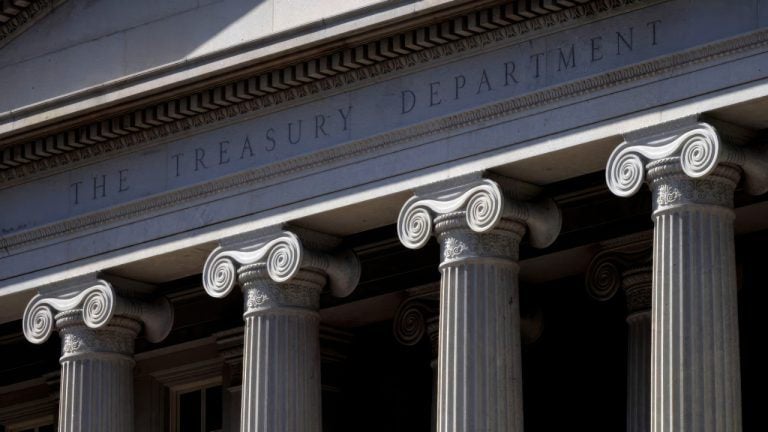






US Treasury’s GENIUS Act Could Reshape Foreign Stablecoin Market

The European Central Bank (ECB) has proposed integrating blockchain technology into its digital euro initiative, a move that could significantly impact stablecoins in Europe. This development, alongside Sberbank’s plan to accept ether and USDT as collateral for loans, signals a shift in the regulatory landscape for digital assets. This week’s events highlight a growing focus on stablecoins and their role in the financial system. For more details, refer to the original tweet by Upbit Global.

What Happened

Recent discussions around stablecoins have intensified as the ECB’s blockchain initiative aims to embed distributed ledger technology into its digital euro program. This could potentially threaten the viability of existing stablecoins by establishing a state-backed alternative. Meanwhile, Sberbank has announced plans to diversify its crypto-backed lending program by including ether and Tether’s USDT as collateral, thus broadening access to loans for businesses holding these assets. Additionally, the U.S. Treasury proposed the GENIUS Act, which would require exchanges to audit foreign stablecoins, further complicating their landscape.

Quick Take

  • The ECB’s blockchain euro initiative could challenge current stablecoins in Europe. Sberbank will accept ether and USDT as loan collateral. The U.S. Treasury’s GENIUS Act aims to regulate foreign stablecoins. Ireland has excluded crypto from new tax-advantaged accounts. These developments highlight the evolving regulatory framework for stablecoins.

Price Action Breakdown

The broader cryptocurrency market remains complex, with mixed signals reflecting varying trader sentiment across different assets. Stablecoins, in particular, are at a crossroads, facing regulatory scrutiny while also being pivotal in crypto transactions. This week, the discussions surrounding stablecoin regulations could influence future trading strategies, especially as institutions adapt to the rapidly changing landscape.

Stablecoins are digital currencies pegged to stable assets, like fiat currencies, aiming to reduce volatility. Regulatory bodies like the ECB oversee monetary policy and financial stability, holding jurisdiction over the implications of stablecoin usage within the Eurozone. Their interest in blockchain technology indicates a potential shift in how stablecoins are perceived in relation to traditional currencies.

What Comes Next

Traders should keep a close eye on upcoming regulatory decisions, especially regarding the ECB’s blockchain initiative and the U.S. Treasury’s GENIUS Act. These developments could create new levels of volatility in the stablecoin market. Observing the responses from both institutional players and retail investors will be crucial as regulatory frameworks evolve, potentially affecting liquidity and compliance across the board.

The post US Treasury’s GENIUS Act Could Reshape Foreign Stablecoin Market appeared first on Coinfomania.

Leave a Reply

Your email address will not be published. Required fields are marked *

UP NEXT

Related Tags

Loading RSS Feed

You May Like

Subscribe To Our Newsletter

Metus in ac vivamus dui id purus in risus. Nunc fringilla donec amet pulvinar vivamus suscipit. Augue porttitor eu sed proin tortor bibendum facilisis felis. Nunc egestas tellus nisl tempor aliquet malesuada ali eu sed proin tortor bibendum facilisis felis
Stay Updated by our Monthly / Weekly News Update. Zero Spamming. Terms & Condition Applied